
Anyone admitted to the hospital for an alcohol-related condition should be professionally screened for memory loss and cognitive change. The screening should include supplementary questions to assess recent memory. If screening suggests impairment, the person should receive a more detailed cognitive workup. With the right treatments, navigating the journey can be more manageable for all parties involved.To better serve both the patient’s and caregiver’s needs, we’ll take a look at how to diagnose and treat alcoholic dementia to improve the quality of life of all parties involved. With stage two, signs and symptoms of alcoholic dementia become more apparent. People in stage two may have difficulties concentrating or making decisions, which can impact daily life.In stage two, people with alcohol-related dementia often need professional help to complete daily tasks.
Once a person has been through withdrawal from alcohol, it’s very important that they get continued support to not start drinking again. They will also need to take high-dose vitamin tablets and eat a healthy, balanced diet. A person being treated in hospital can be helped safely through their withdrawal and treated for other medical conditions.
Related Conditions
You and your community can take steps to improve everyone’s health and quality of life. The less alcohol you drink, the lower your risk for alcohol induced dementia these health effects, including several types of cancer. Heavy alcohol use raises the risk for fractures and even low levels of alcohol intake increase the odds for recurrent gout attacks.
Alcohol-Related Dementia: Causes, Symptoms, Stages & Treatment
Taking these three exemplary studies together, it may be argued that https://ecosoberhouse.com/ light-to-moderate alcohol consumption is protective against dementia in middle to late life, while the effect abates in the very elderly, but other cohort studies show different trends. In summary, while a number of studies have reported experimental findings to explain risk reduction through alcohol consumption for vascular dementia, data regarding the impact of alcohol on Alzheimer´s pathophysiology is more contradictory. Early-stage symptoms are relatively subtle, while middle and late stages involve more pronounced deficits that affect daily life.
Adaptor protein complex 2 in the orbitofrontal cortex predicts alcohol use disorder
- Your provider will rule out other conditions that cause similar memory issues and other symptoms.
- Some of the genetic markers used for alcohol consumption are problematic as their associations with average volume of drinking and with heavy drinking occasions in overall light drinkers point in opposite directions (80; see also the discussion following 84).
- These effects collectively weaken neuronal resilience, making the brain more vulnerable to AD-related damage.
It can affect several areas of the brain, but it most commonly affects the mammillary bodies found on the hypothalamus. Springer Nature remains neutral with regard to jurisdictional claims in published maps and institutional affiliations. Publisher’s note Springer Nature remains neutral with regard to jurisdictional claims in published maps and institutional affiliations. This study has obtained written informed consent from all participants or their agents.

Once the withdrawal process is over, you’ll likely be referred to a mental health professional for extra support. The symptoms of alcohol-related dementia and age-related dementia are fairly similar. Available epidemiological studies are not sufficient to verify a protective effect of alcohol on Twelve-step program dementia development. Contact us today to schedule an initial assessment or to learn more about our services. Whether you are seeking intensive outpatient care or simply need guidance on your mental health journey, we are here to help. Drinkaware also has advice and support about how to reduce or give up alcohol.
A thiamine deficiency over a long period of time can cause brain atrophy or damage. Wernicke-Korsakoff syndrome can occur due to other conditions, but misuse of alcohol is a common underlying factor for its development due to long-term vitamin deficiency. Dementia is an umbrella term for a variety of conditions that affect a person’s processing skills and memory.
- Memory difficulties may be strikingly severe while other thinking and social skills are relatively unaffected.
- Alcohol interferes with the brain’s communication pathways and can affect the way the brain looks and works.
- Available epidemiological studies are not sufficient to verify a protective effect of alcohol on dementia development.
- Imaging studies of isolated cases of uncomplicated alcoholic individuals (without any nutritional deficiency, hepatic failure, brain injury) have confirmed structural abnormalities, including changes to the corpus callosum, pons, and cerebellum (45).
- Alcohol can affect behaviors that increase the likelihood of acquiring or transmitting HIV to others.
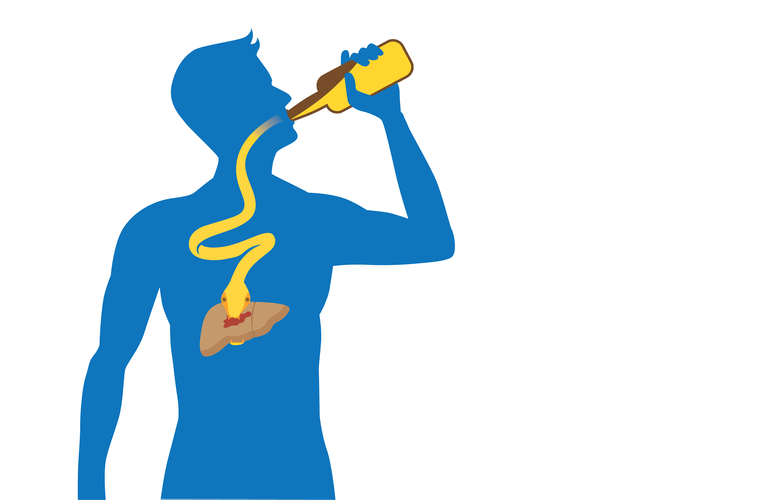
Talk to your loved ones, your provider, a support group or a mental health professional. They’ll all help you feel safe, seen and heard while you get used to any changes in your brain and body. But your providers will help you find treatments that manage the symptoms and help you stay safe, no matter what. The best way to prevent alcohol-related dementia is to avoid drinking too much alcohol.
Juneteenth also invites us to ask, who in America is still fighting for our freedom? Black and brown immigrants, refugees, and asylum seekers face family separation, lack of running water, lack of due process, unsanitary conditions, and more. Undeniably, the same forces that once delayed emancipation, white supremacy, and profit-driven policy, now shape immigration enforcement and send troops when we have the audacity to rise up in cities like Los Angeles. Gradually erode cognitive resilience, making the brain more vulnerable to aging and disease. The brain is extremely sensitive to vascular health — what hurts the heart often hurts the brain first.
The cholinesterase inhibitor galantamine (4 mg/kg) prevents and reverses AIE-induced reductions in DCX-immunoreactive cells while significantly downregulating caspase-3 activity 28. Moreover, dexmedetomidine pre-treatment (125 μg/kg) effectively restores neural progenitor cell numbers following ethanol exposure by inhibiting microglial activation 34. Additionally, epigenetic regulation and specific receptor activation are also involved. Acute ethanol binge (5 g/kg) reduces the number of DCX-positive immature neurons and enhances apoptotic signaling via cannabinoid CB1 receptor activation, an effect that is specifically reversed by the CB1 receptor antagonist AM251 32. Notably, intervention with the RPTPβ/ζ inhibitor MY10 suggests that ethanol-induced neurogenesis impairment may involve a regulatory pathway independent of glial cell responses 33.
There are a variety of different types, including Alzheimer’s as well as dementia related to alcohol use. An early sign of all these types of alcohol-related dementia is a tendency to rigid, inflexible thinking. Other symptoms which happen as the disease progresses include a worsening short-term memory, and finding that learning new skills becomes harder. The cornerstone of treating alcohol-related dementia is complete abstinence from alcohol.
Nutritional issues, which frequently accompany long-term alcohol abuse, might also contribute to dementia-related symptoms since vitamin deficiencies may adversely affect some areas of the brain. There is strong evidence that drinking too much alcohol increases your risk of developing dementia, it is recommended you follow guidelines and drink no more than 14 units of alcohol per week. The main treatment for Wernicke encephalopathy is thiamine (vitamin B1) replacement, this is done through a vein as an infusion, rather than an injection. Starting treatment early is vital to avoid permanent brain damage or the development of Korsakoff syndrome.